
Strength training as prevention
Strength training is not about gyms or being athletic – it is the foundation of being able to handle everyday life. This article shows what a realistic start looks like.
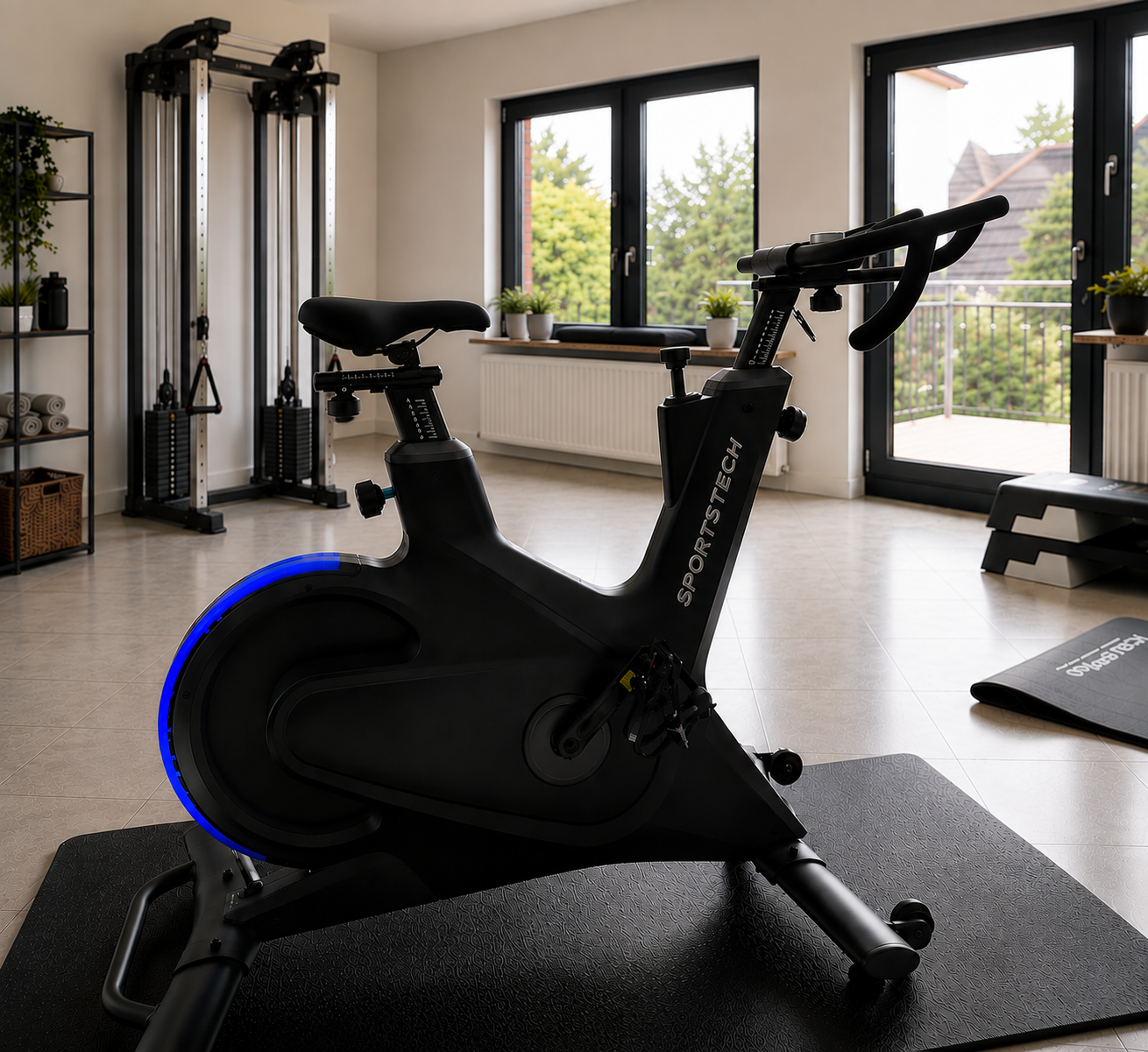
Preventive strength training is planned, carefully dosed training against resistance with the goal of maintaining or improving muscle strength, physical capacity, and everyday function.
What strength training can do
- Maintaining and building muscle mass, especially from midlife onward
- Greater load tolerance in tendons, ligaments, and bone
- Better everyday function: stairs, carrying, standing up
- Support for returning to sport and work after an injury
- Positive effects on metabolism and general well-being
How much you realistically need
For health benefits, two to three sessions a week covering the large muscle groups are generally enough. A worthwhile session can be done in 30 to 40 minutes.
What counts is consistency over months, not the perfect single workout. A plan that fits your life beats an ambitious plan that collapses after three weeks.
Six basic movement patterns to start with
Squat pattern
Leg strength for standing up, stairs, and carrying – from a chair squat to a barbell squat.
Hip hinge
Deadlift variations and hip bridges for the back of your body and your lower back.
Push
Push-up variations or overhead pressing for chest, shoulders, and arms.
Pull
Rows and pulldowns for the back muscles – a counterweight to a sitting-heavy day.
Core stability
Planks, Pallof presses, or carries to control the spine under load.
Single-leg work
Lunges and step-ups for balance and control.
Progressing safely
- Start with technique, then add repetitions, then add weight
- Increase the load by roughly 5 to 10 percent per week instead of jumping ahead
- Muscle soreness is fine; clear joint pain is a signal to stop
- If you already have symptoms, get assessed first
Frequently asked questions
Further reading
- Every session is provided by the practice owner—never a rotating team of therapists
- Session length is based on your clinical needs rather than a rigid schedule
- Private practice for privately insured and self-pay patients—no prescription required
“Kompetente Behandlung, angenehme Atmosphäre und sehr freundlich. Ich habe mich bestens aufgehoben gefühlt. Absolut empfehlenswert!”
Original reviews in German.
The MICA Health Guide to a Stronger Back
Seven evidence-informed principles for building a stronger, more resilient back
- What actually builds physical resilience—and what does not
- How to adjust activity instead of avoiding it
- Exercises that fit into everyday life