
Movement & healthy aging
The body changes over the years – but it remains trainable at every age. What matters is maintaining the right abilities deliberately.
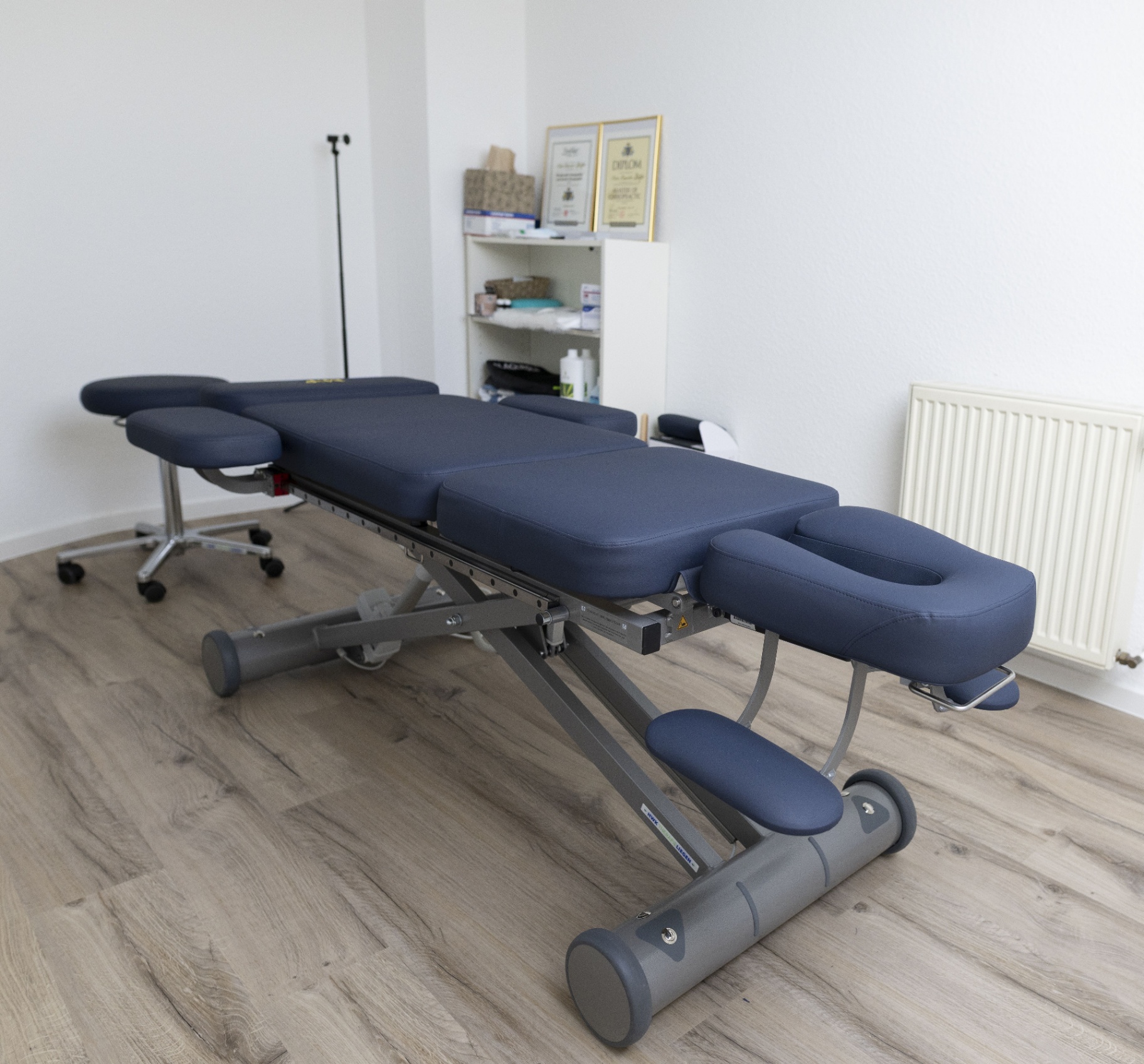
Healthy aging, in the sense of movement therapy, means preserving muscle strength, balance, and everyday activity for as long as possible in order to protect independence and safety.
The two most important training goals
Strength
Muscle mass and strength decline from midlife onward. Targeted strength training counteracts that process and preserves everyday functions such as standing up and climbing stairs.
Balance
Balance training improves steadiness and reaction time – central building blocks of fall prevention.
A realistic weekly framework
- Two strength sessions covering legs, back, and core
- Several short balance sessions, ideally woven into daily routines
- Regular walking as a base for endurance and bone health
- Enough protein intake to make building muscle possible
Movement with chronic conditions
Even with neurological or internal medical conditions, adapted movement is almost always possible and worthwhile. Volume, intensity, and exercise selection are tailored individually and coordinated with your treating physician.
Frequently asked questions
Further reading
- Every session is provided by the practice owner—never a rotating team of therapists
- Session length is based on your clinical needs rather than a rigid schedule
- Private practice for privately insured and self-pay patients—no prescription required
“Kompetente Behandlung, angenehme Atmosphäre und sehr freundlich. Ich habe mich bestens aufgehoben gefühlt. Absolut empfehlenswert!”
Original reviews in German.
The MICA Health Guide to a Stronger Back
Seven evidence-informed principles for building a stronger, more resilient back
- What actually builds physical resilience—and what does not
- How to adjust activity instead of avoiding it
- Exercises that fit into everyday life