
Understanding back pain
Back pain is one of the most common reasons people see a doctor or miss work. This article explains what usually lies behind the symptoms, when a medical workup is genuinely needed, and how modern, active treatment is put together.
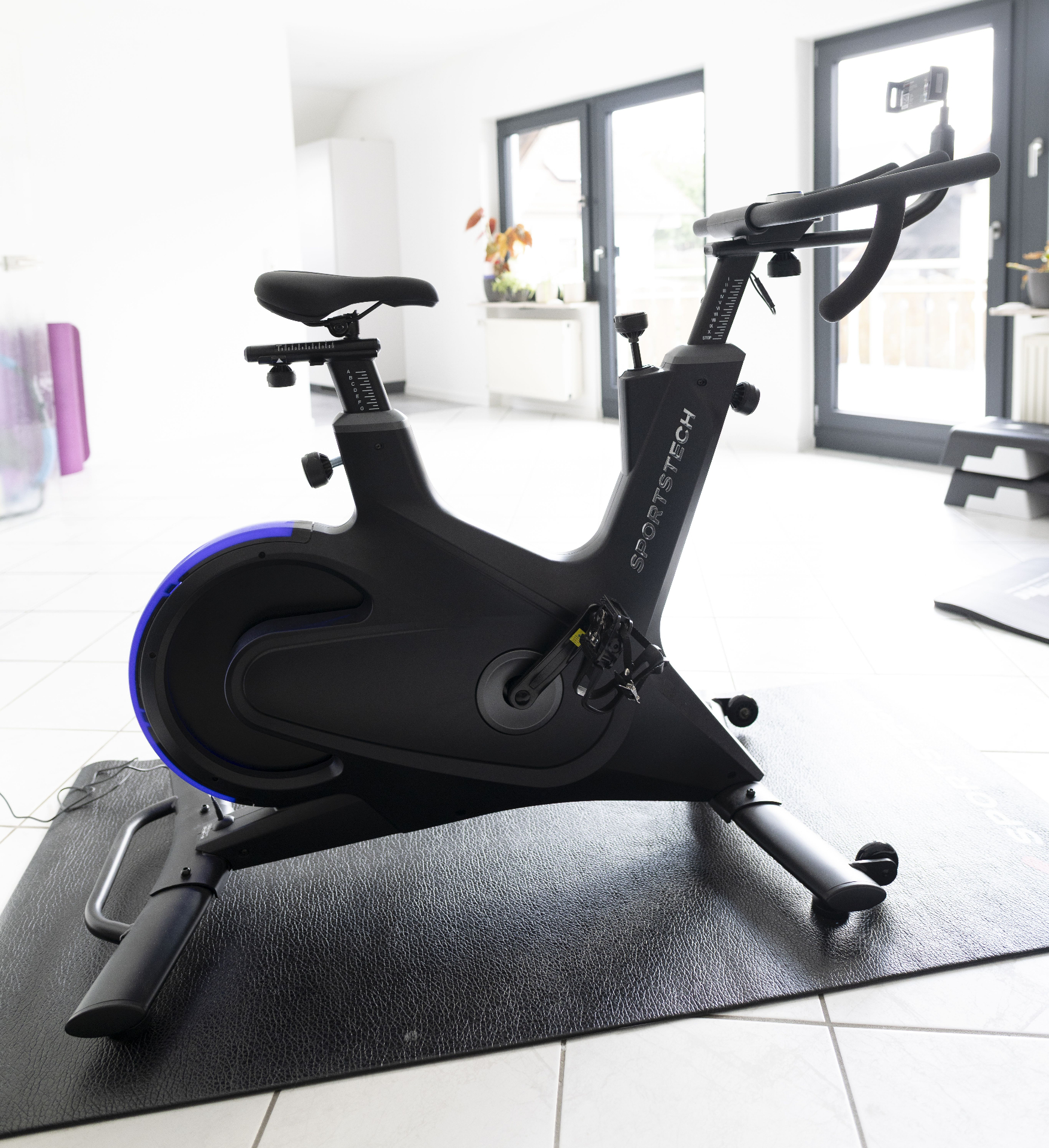
Nonspecific back pain is pain in the spinal region without an identifiable structural or serious underlying cause. It accounts for most cases of back pain and often responds well to active treatment.
Specific or nonspecific – the distinction that matters
Clinicians separate back pain into specific and nonspecific. Specific means a clear cause can be named: a disc herniation with matching neurological findings, a fracture, or an inflammatory condition. Those cases are comparatively rare.
Nonspecific pain accounts for the vast majority of back pain cases. It can reflect a combination of physical demands, movement habits, sleep, stress, and the way each person's nervous system processes pain. The pain is no less real, but the best treatment approach is different.
Why X-rays and MRIs often don't help
Findings such as disc bulges, signs of wear, or altered signal intensity show up in plenty of people who have no symptoms at all. A finding on its own therefore rarely explains the pain.
Imaging makes sense when there are red flags, or when the result will actually change a treatment decision. Without that connection, a report can create worry and encourage people to avoid movement they could safely do.
When you should see a physician
- Increasing weakness, numbness, or altered sensation in the leg or foot
- Changes in bladder or bowel function
- Severe night pain, fever, or unexplained weight loss
- Pain that started after a fall or accident
- Symptoms that clearly worsen over weeks despite treatment
How active treatment is structured
1. Assessment and classification
History taking, movement testing, and screening for red flags. The goal is a working diagnosis you can follow, not just a description of symptoms.
2. Pain relief and movement
Manual techniques, comfortable positions, and carefully dosed movement can reduce symptoms enough to make active exercise possible.
3. Building capacity
Strength, endurance, and coordination are increased step by step – on equipment where useful, otherwise with body weight and small tools.
4. Preventing relapse
A home program you will realistically keep up, an understanding of load management, and a plan for flare-ups.
What you can do yourself
- Keep moving, even if the movements are smaller than usual at first
- Adjust the load instead of avoiding it entirely
- Schedule strength training two to three times a week
- Take sleep, stress, and recovery seriously as part of the pain picture
- Track your symptoms so patterns and triggers become visible
Frequently asked questions
Further reading
- Every session is provided by the practice owner—never a rotating team of therapists
- Session length is based on your clinical needs rather than a rigid schedule
- Private practice for privately insured and self-pay patients—no prescription required
“Kompetente Behandlung, angenehme Atmosphäre und sehr freundlich. Ich habe mich bestens aufgehoben gefühlt. Absolut empfehlenswert!”
Original reviews in German.
The MICA Health Guide to a Stronger Back
Seven evidence-informed principles for building a stronger, more resilient back
- What actually builds physical resilience—and what does not
- How to adjust activity instead of avoiding it
- Exercises that fit into everyday life