
Back health at the office
Few health topics attract as many myths as the 'correct' way to sit. This article explains what makes a meaningful difference during a desk-based workday—and which recommendations are driven more by marketing than evidence.
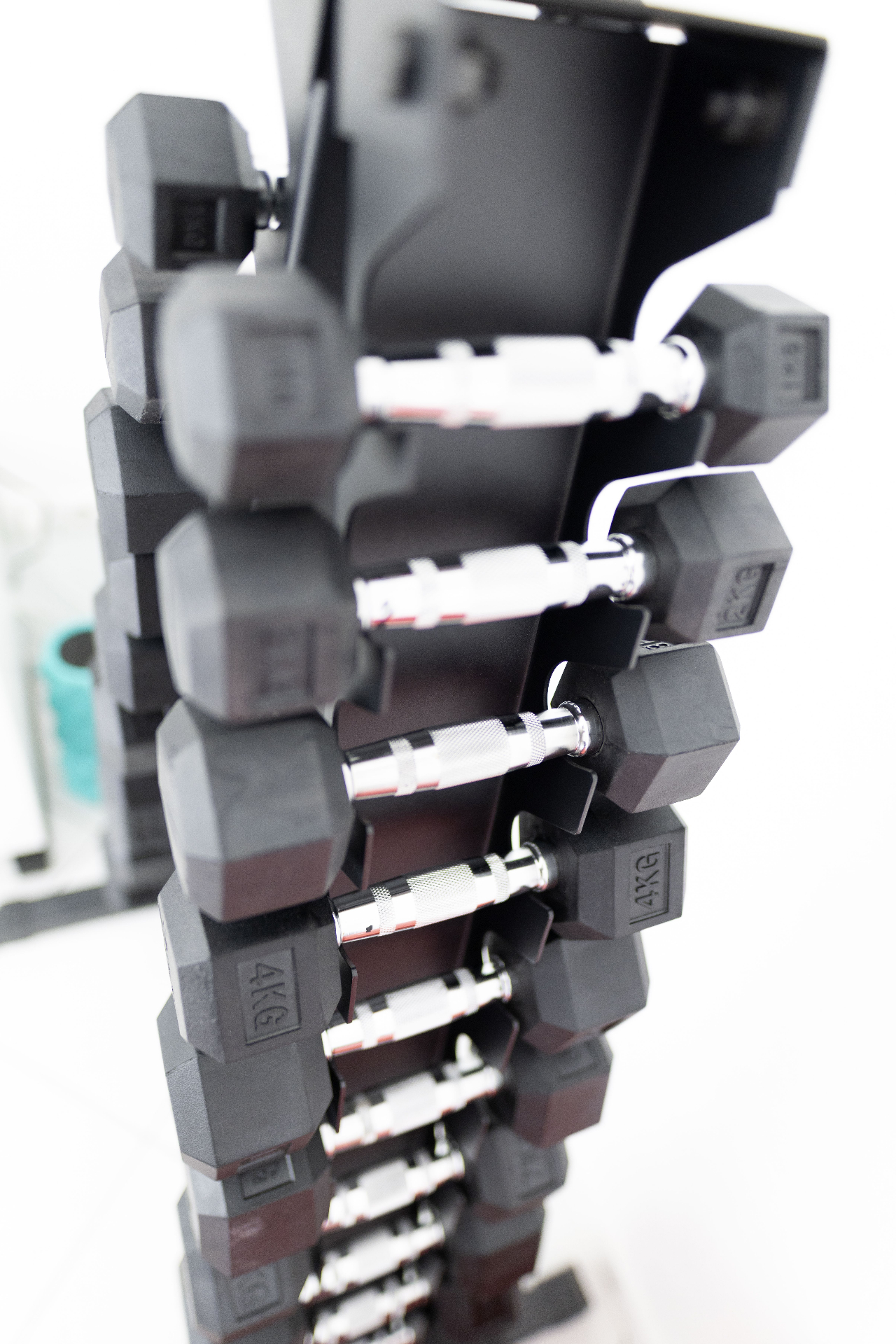
Back health at the office means spreading physical load across the day, changing positions regularly, and raising your physical capacity through training – rather than chasing a single ideal posture.
The posture myth
The idea that there is exactly one correct sitting posture, and that every deviation harms your back, does not hold up in practice. People with very different sitting habits develop pain – and others with the same habits never do.
How long you stay in one position matters far more than the position itself. The best posture is almost always your next one.
What realistically works in daily life
- Change position roughly every 30 to 45 minutes, even in small ways
- Take several short movement breaks instead of one long break
- Take phone calls standing up or while walking
- Set up your workstation so that switching positions is easy
- Two to three strength sessions a week as your foundation
Three minutes that fit into any day
Mobilize your mid-back
Sitting or standing, slowly rotate your upper body to each side, about ten repetitions per side, breathing calmly.
Open up your hips
Use a half-kneeling hip-flexor stretch with your torso upright, holding for about 30 seconds on each side.
Wake up your back
Squeeze your shoulder blades together and release, ideally with a resistance band, for 10 to 15 controlled repetitions.
Frequently asked questions
Further reading
- Every session is provided by the practice owner—never a rotating team of therapists
- Session length is based on your clinical needs rather than a rigid schedule
- Private practice for privately insured and self-pay patients—no prescription required
“Kompetente Behandlung, angenehme Atmosphäre und sehr freundlich. Ich habe mich bestens aufgehoben gefühlt. Absolut empfehlenswert!”
Original reviews in German.
The MICA Health Guide to a Stronger Back
Seven evidence-informed principles for building a stronger, more resilient back
- What actually builds physical resilience—and what does not
- How to adjust activity instead of avoiding it
- Exercises that fit into everyday life